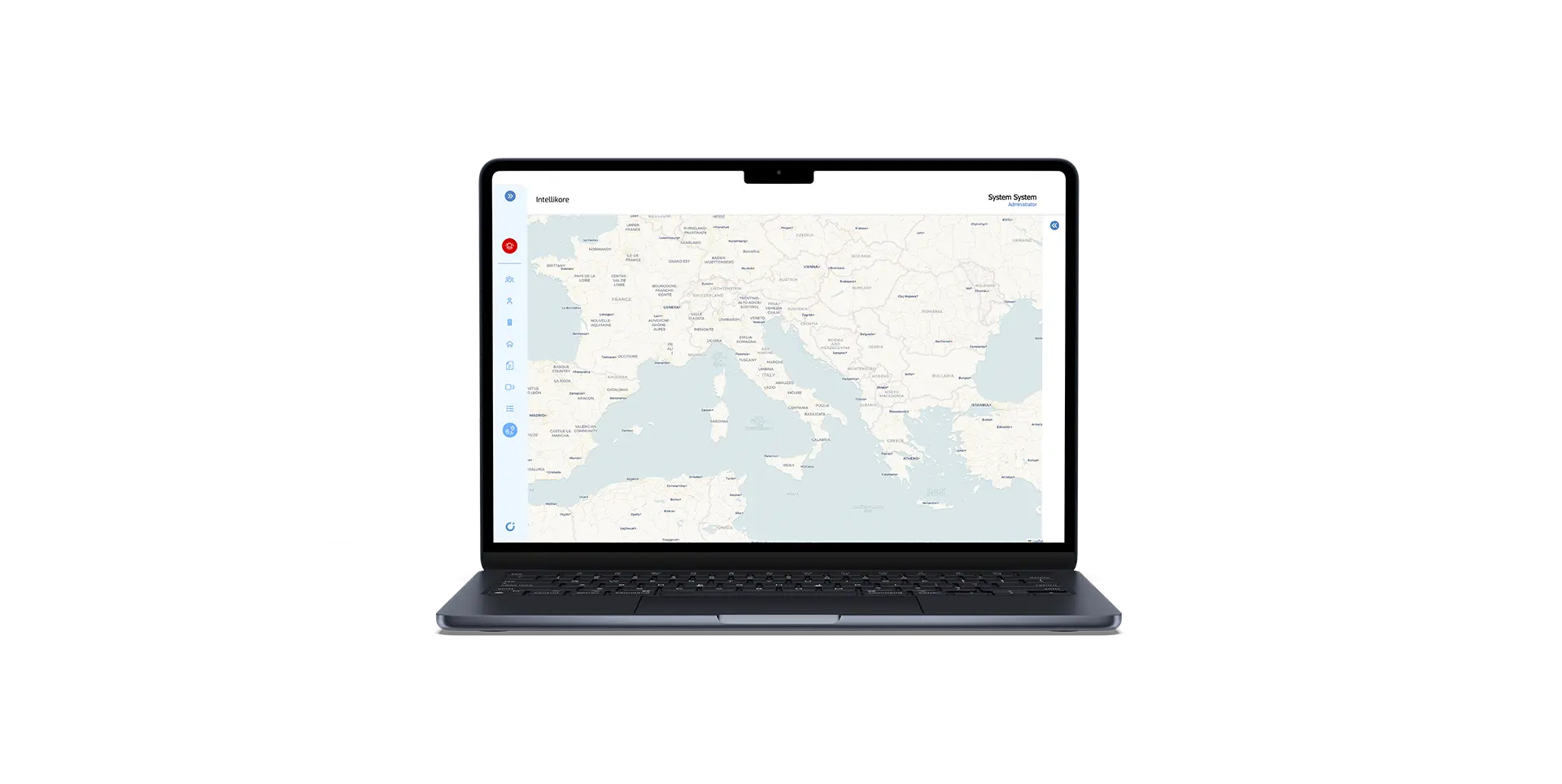
Digital Infrastructure, Cloud and Security

Intellitronika designs secure and resilient digital infrastructures, built to support critical systems and to operate both on-premise and in cloud environments.

Infrastructure, migration and security activities enable organizations to evolve their information systems while maintaining control, operational continuity and data protection. Thanks to its specialized teams, Intellitronika supports institutions and organizations in designing digital architectures capable of managing sensitive data, distributed field devices and highly critical services, ensuring consistency between operational requirements, security and technological sustainability.

The adopted approach integrates application migration, protection of peripheral infrastructures and digital identity governance into a single architectural design. The solutions are designed to operate in on-premise, cloud or hybrid environments, in order to meet different needs related to data control, regulatory compliance and operational performance.

The use of advanced security models, behavioral analysis tools and methodologies based on Zero Trust, end-to-end encryption and artificial intelligence makes it possible to reduce the attack surface, prevent threats and strengthen the overall resilience of systems.
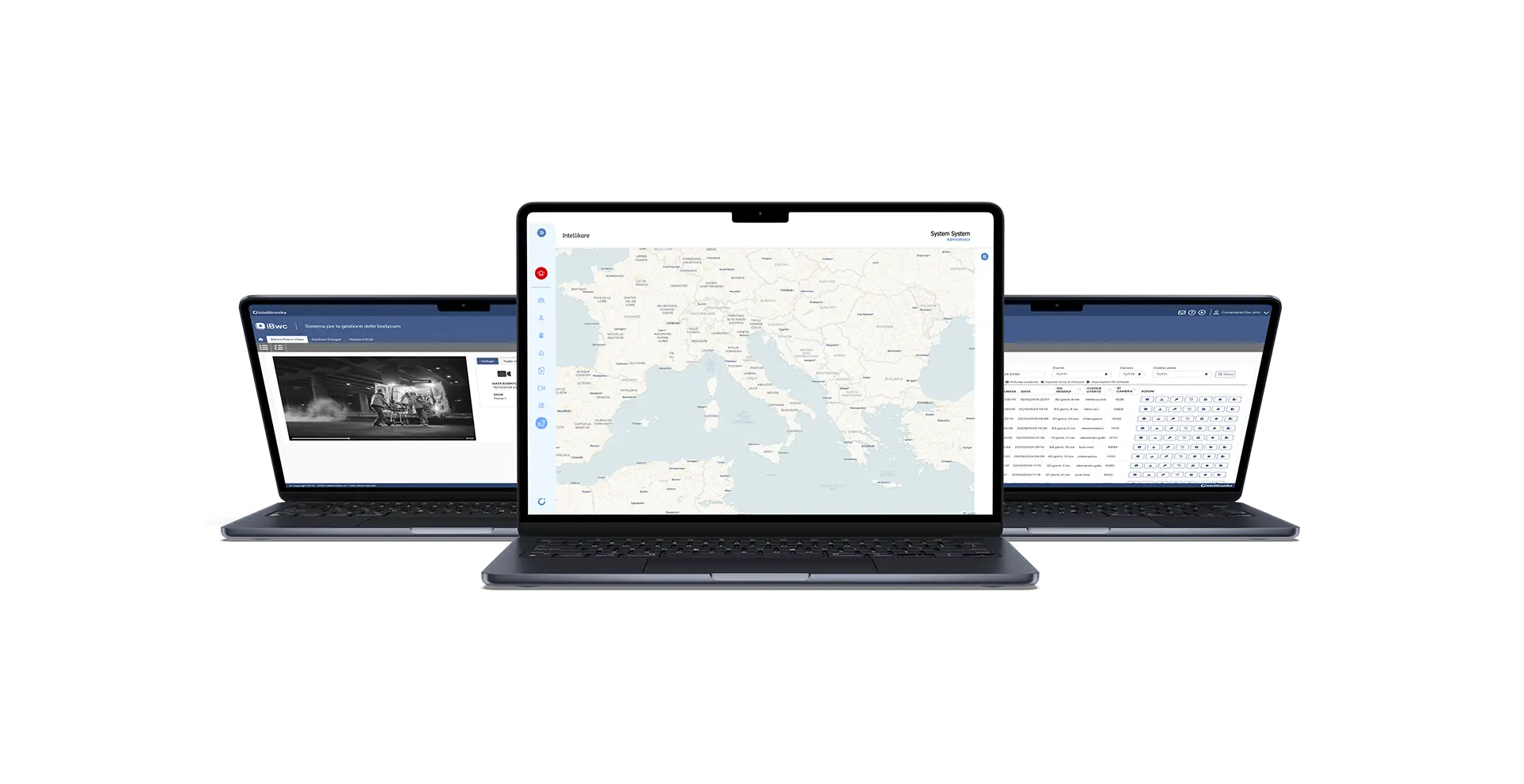
Application Migration and Infrastructure Modernization

  • Re-platforming activities and secure migration of applications and systems to cloud environments.

  • Design of architectures also compatible with on-premise infrastructures, in order to ensure operational continuity and flexibility in the deployment model.

  • Modernization of systems dedicated to territorial control and the management of sensitive data.

Security of Infrastructures and Peripheral Devices

  • Design of security architectures for peripheral devices, IoT systems and platforms distributed across the territory.

  • Protection of data fusion flows coming from multiple operational sources.

  • Use of tools and mechanisms for the automatic isolation of compromised nodes.

Digital Identity and Access Control

  • Design, implementation and governance of systems for the management of digital identities and access permissions.

  • Management of the entire identity lifecycle, from activation to decommissioning.

  • Adoption of granular authorization models such as RBAC and ABAC, to ensure access rights consistent with roles, attributes and operational context.

Advanced Security and Resilience Models

  • Adoption of the Zero Trust paradigm, in which no user, device or network is considered secure by default.

  • Use of end-to-end encryption and AI-based Predictive Cybersecurity approaches.

  • Application of the CARTA model for dynamic access risk assessment and continuous protection of digital resources.

Advanced Monitoring and Decision Support

  • Use of predictive Digital Twins to simulate system behavior and support operational decisions.

  • Early identification of anomalies and threats in order to move from reactive security to proactive defense.

  • Improvement of compliance and support for audit processes in relation to requirements such as GDPR, NIS2 and ISO 27001.

Discover all services